
Ask ten people what Western style means and you'll get ten answers. The version worth wearing comes from the land: the colors of a specific place, the materials that survive there, and what people who actually live there put on in the morning.
Here's the short answer for this fall. Earth tones taken from real terrain. Textured leather over polished leather. Denim with some age in it. One piece of real substance, usually a boot or a hat, doing the work. Everything else stays plain.
The longer answer depends on which West you're dressing for.

Is Western style still in style in 2026?
Yes, and it stopped being a trend a while ago.
What changed is where the clothes go. Boots used to come out for rodeos, weddings, and country concerts. Now they get worn to the grocery store, the office, and dinner, which means the styling got quieter. Less fringe, less hardware, fewer references. The silhouette stayed classic and the volume came down.
That shift is good news if you've been standing at the edge of this wondering whether you can pull it off. There is no entry exam. Start with one thing that fits well and wear it with clothes you already own. Our guides to everyday Western style for women and for men go deeper on that.
The desert: bone, clay, and sun
The desert palette is the easiest place to start because it's already in most closets. Bone. Clay. Sage. Sand. Sun-faded indigo. These colors go with each other in a way that takes no thought, because they come from a place where everything got bleached by the same sun.
This is also where leather matters most. Desert light is flat and bright, and it exposes everything. A clean, corrected-grain boot looks plastic in that light. A textured leather looks better in it than it does indoors.
So this is the season for the leathers with something going on. Trailworn and stonewashed finishes, where the surface has already been worked, and the color sits unevenly across the vamp. Roughout suede in tobacco or bone, which picks up dust and looks better for it. The Cartwright in bison sits here too, with a grain pronounced enough to read in hard light. For the top half, the Lamb Roughout Overshirt in tobacco is the piece that belongs in this palette more than any other.
What you're looking for is leather that will not look the same in three years. Good hide is chosen for character and strength, and it earns both by aging. The scuff across your right toe from a truck bed is not damage. It's the reason the boot looks like yours and not like the one in the photo. Our care guide covers keeping it that way.
Wear it plainly. Straight-leg jeans in a light or medium wash, stacked just enough at the shaft. A washed-down solid shirt, sleeves rolled. A bone or natural straw hat if the sun calls for one. That's the whole outfit, and it works from a trailhead to a patio.
For women, the Women's Suede Vest in sage-taupe is the desert palette in a single piece. Over a plain tank with straight-leg denim, it needs nothing else.
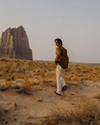
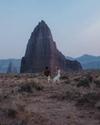
The canyon: iron, oxblood, shadow
Canyon country runs darker and warmer. Rust, iron, oxblood, deep brown, the near-black of rock in shade.
This is the palette for evening and for cold weather. Darker leathers, a heavier denim, outerwear with some weight. The Annie in Black Cherry is exactly this color, a deep oxblood that reads brown in low light and red in direct sun. The Warren Gunsmoke and The Cartwright in Gunsmoke work here too, since grey sits between brown and black without committing to either.
Black boots belong here more than anywhere else, and black is the one Western color that reads as dressed up without trying. Shop black boots if that's the direction.
Keep the contrast low and it looks expensive. Dark boot, dark denim, a shirt one shade off from either. That's it.
The Loretta in Hunter Green is the exception worth making. A tall green suede shaft is the one loud thing this palette can carry, as long as everything above it stays quiet. Browse tall boots for the shaft height that makes that silhouette work.
The open country: wind and work
Open country is where Western clothes stop being a style choice and go back to being equipment.
Wind is the whole design problem out there. It's why shirting is cut the way it is, why snaps beat buttons when you're pulling a layer on and off all day, and why a brim has a curl in it. Pearl snaps started as a practical detail on a work shirt, and they still function like one.
The pieces here are the honest ones. Denim that holds a shape after a long day. Shirting in indigo or a washed solid that can go from a fence line to a casual office without a change of clothes. A boot with a pitched heel and an outsole that grips, or, if the day involves actual hazards, a work boot with a safety toe and a cushioned footbed you can pull out and replace.
Nothing about this look needs styling. It's just clothes that hold up, which is usually why it reads as real.

Where to start if you're starting
One good boot first. It sets the palette for everything else, and it's the piece you'll keep longest. Browse men's boots and women's boots.
Then jeans that fit over the shaft without bunching. Then one shirt in a color from the list above. A hat comes last, once you know what your head likes.
Four pieces, bought in that order, will get you most of the way there. Resist the urge to buy a whole outfit at once, because the second and third purchases go better once you know how the first one wears.
If you want the mechanics, we've written them down separately. How should cowboy boots fit covers sizing and break-in. How to wear cowboy boots with jeans covers the hem question, which is the one everybody asks. The denim guide covers washes and fabric if you want to know what you're buying. Our fit guide has sizing by style, or come try a pair on at a store near you.
Good boots are built to be resoled and handed down, which means most of their life happens after they stop looking new. The raw beauty of the West holds up because people take care of it. The same is true of the things you wear out in it.
Frequently Asked Questions
The classic silhouette with the volume turned down. Straight-leg and bootcut denim, a clean boot shaft, plain shirting, and less fringe and hardware than earlier seasons. One piece of real substance, usually a boot or a hat, does the work. Everything around it stays simple so that one thing reads clearly.
A heavier weight fabric and a fit you will actually wear often. Fades and creases form where you move, so the result is personal to you. The more you wear them, the better they look. The denim guide covers what to expect as raw denim breaks in over time.
The brim and crease shape how formal or casual a hat reads. A curled brim sheds wind and sun and reads more practical; a flatter brim reads more dressed up. Pair it with simple clothes so the hat has room to be the focal point. Browse men's hats and women's hats to see the crease and brim styles available.
Keep everything else plain and stay inside the canyon palette: one heavy layer, dark boot, dark denim, hat optional. A Cattleman fur hat, made from fur felt known for durability and water resistance, pairs well with a fur jacket when everything underneath stays simple. For denim jacket care, the full guidance is at our product care page.
Choose leathers where the finish is already worked in. Tecovas leathers are hand-selected for character, strength, and natural aging, and finishes like Roughout suede, Trailworn, and Stonewashed carry surface character from day one. The rest comes from actual wear.